The Shift in Global Brand Strategy
As we navigate through the mid-2020s, the global food industry is witnessing more than just a trend—it is a total systemic overhaul. What was once a 'green marketing' initiative has evolved into the very foundation of corporate survival. In 2026, the question is no longer 'if' a brand should transition to sustainable packaging, but 'how fast' it can do so without disrupting its global supply chain.
At DineX Ecopack, we have monitored the transition of over 500 global partners. From metropolitan QSR chains to remote luxury resorts, the driver for this change is a blend of regulatory pressure, consumer psychology, and a newly defined Return on Investment (ROI) that counts carbon as currency.
1. Navigating the 2026 Regulatory Environment
The regulatory landscape has passed the tipping point. The era of voluntary ESG reporting is over, replaced by mandatory 'Plastic Taxes' and outright bans on single-use polymers. Brands that ignore these shifts face more than just fines—they face a total loss of 'License to Operate' in key markets.
| Regulatory Framework | Region | Enforcement Level |
|---|---|---|
| UAE Resolution 380 (2024-2026) | UAE (Dubai/Abu Dhabi) | TOTAL BAN ON PLASTIC + STYROFOAM |
| EU PPWR (Packaging & Packaging Waste Regulation) | European Union | MANDATORY RECYCLABILITY BY 2030 |
| Plastic Waste Management Rules 2022/26 | India (PAN-India) | EPR MANDATES & SINGLE-USE BAN |
Transitioning to bagasse products is now a form of 'Supply Chain Insurance'. In regions like the UAE, where Resolution 380 has effectively cleared the market of non-degradable options, brands that moved early to bagasse have seen their market share increase by 12% simply due to continuous supply availability while competitors scrambled for alternatives.
2. The Psychology of the 'Modern Diner'
GEN-Z and Millennials now represent 47% of the total food service spending block in 2026. This demographic does not view sustainability as a 'nice to have' feature; they view it as a prerequisite for loyalty. Studies show that 78% of these diners will actively abandon a brand if their food is served in Styrofoam or single-use plastic.
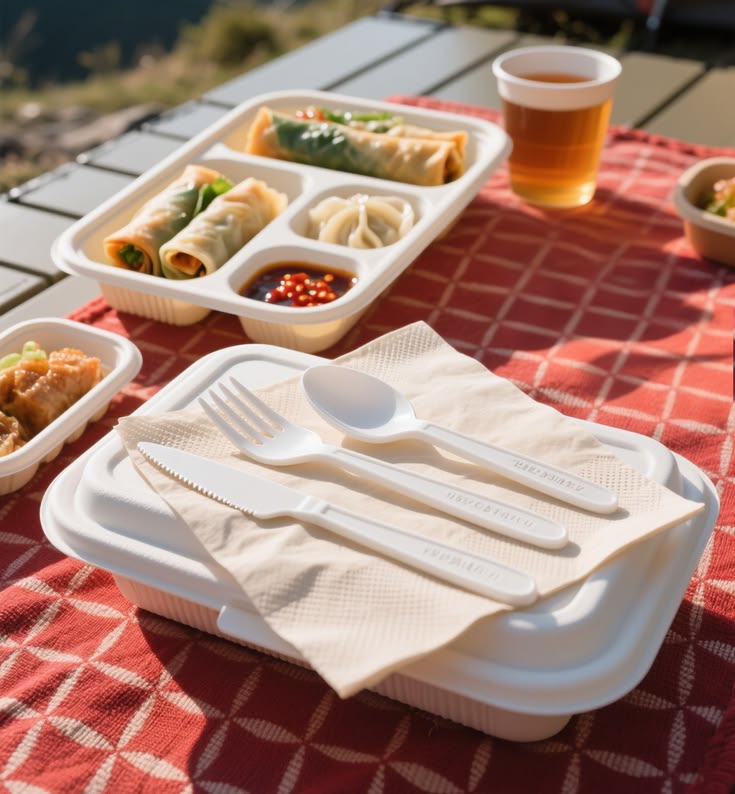
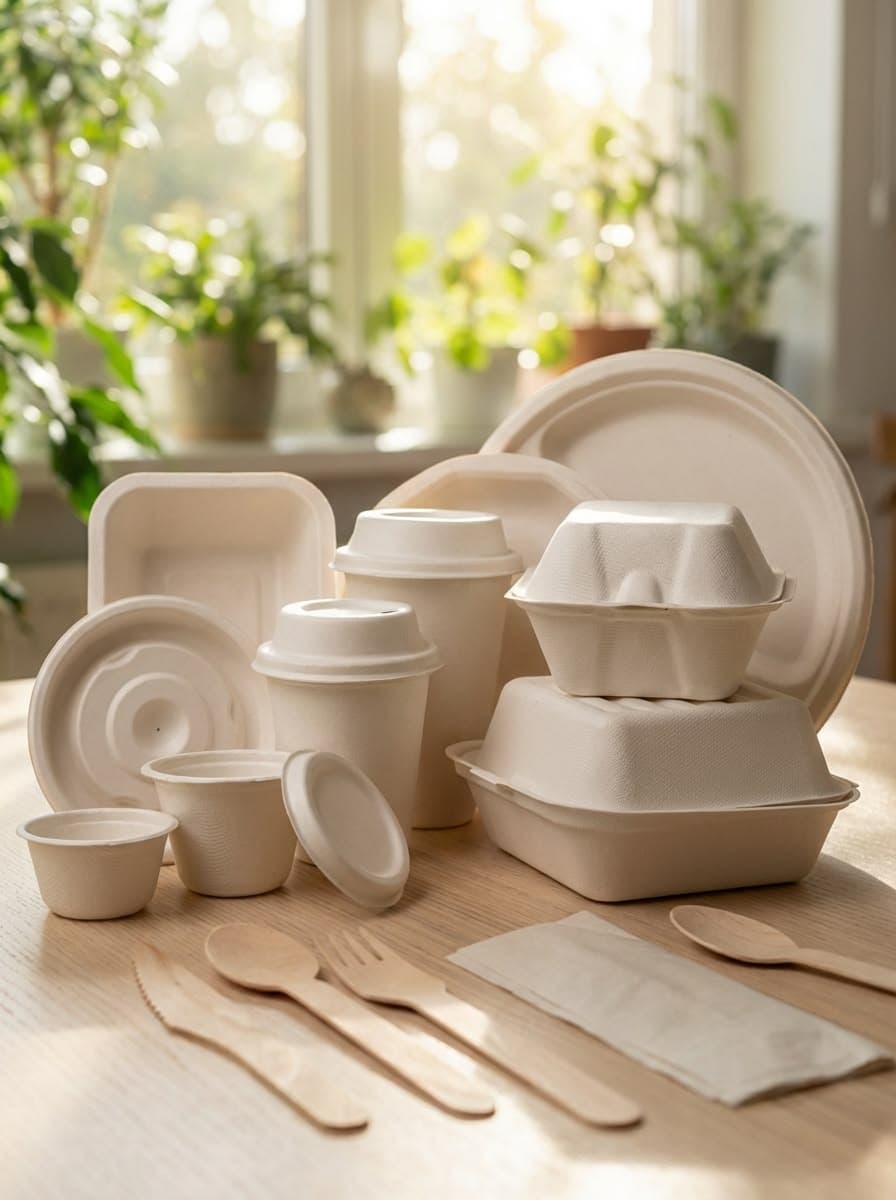
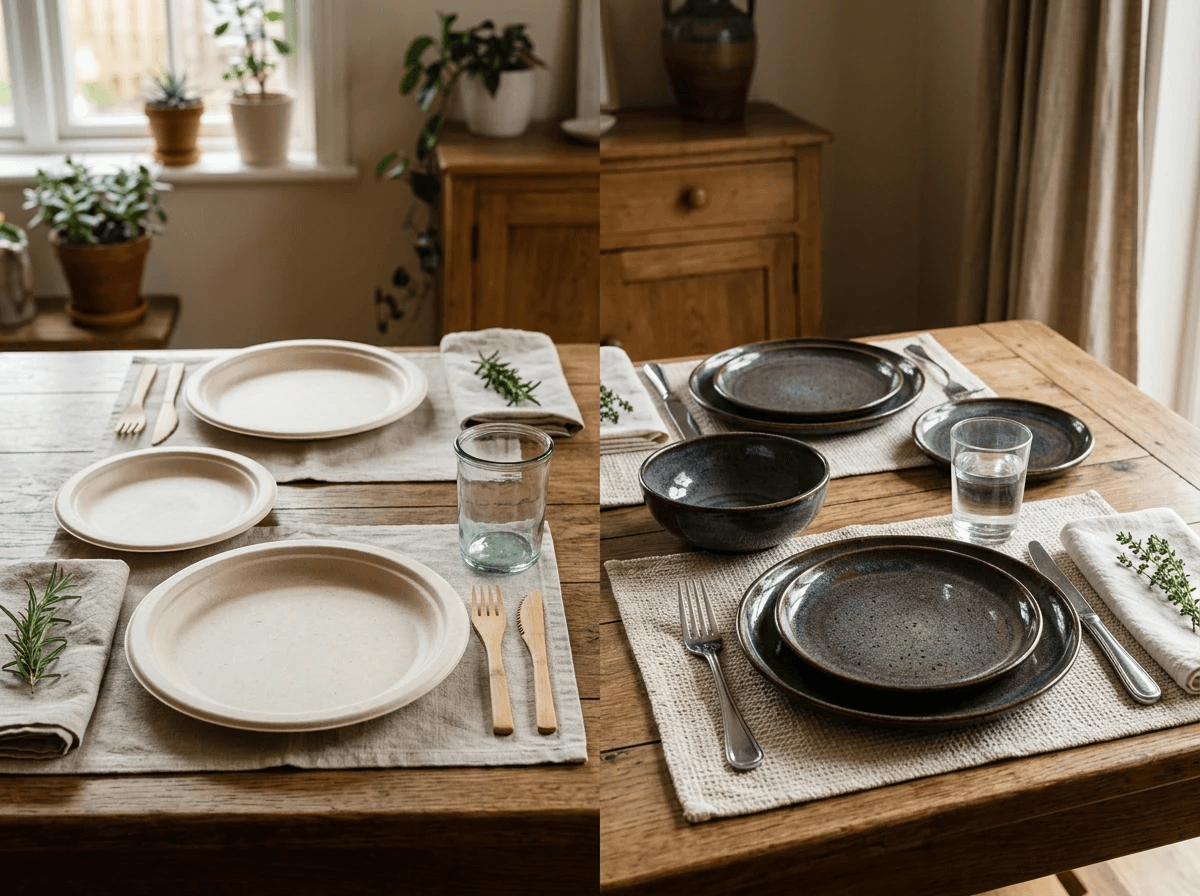
Sugarcane bagasse offers a tactile, premium experience that plastic simply cannot replicate. The natural fiber texture and neutral ivory finish signal a 'clean label' and 'healthy' image for the food itself. In the age of social media, the packaging *is* a significant part of the brand's visual identity. A meal served in a DineX Ecopack clamshell isn't just a meal; it's a statement of values that diners are proud to share.
3. The Economic Impact: Moving from Cost to ROI
One of the most common misconceptions we hear is that 'sustainability is a cost sink'. In 2026, the financial data proves the opposite. While the unit cost of a bagasse plate may be slightly higher than a plastic plate, the total cost of ownership (TCO) is lower when factoring in the following:
Strategic ROI Drivers for 2026:
-
1Waste Optimization: Switching to 100% compostables allows brands to merge their waste streams. Instead of paying for separate recycling and landfill pickup, everything can be hauled as organic waste, reducing disposal fees by an average of 22%.
-
2ESG Capital Access: Major hospitality groups are now finding that their cost of interest for bank loans is tied to their ESG performance. High-sustainability brands are securing 'Green Loans' at 1-1.5% lower rates than their plastic-reliant peers.
-
3Customer Lifetime Value (CLV): Loyalty rates are 18% higher for brands using compostable packaging vs. traditional plastic users, leading to higher repeat purchase frequency.
4. Operational Versatility: Beyond the Plate
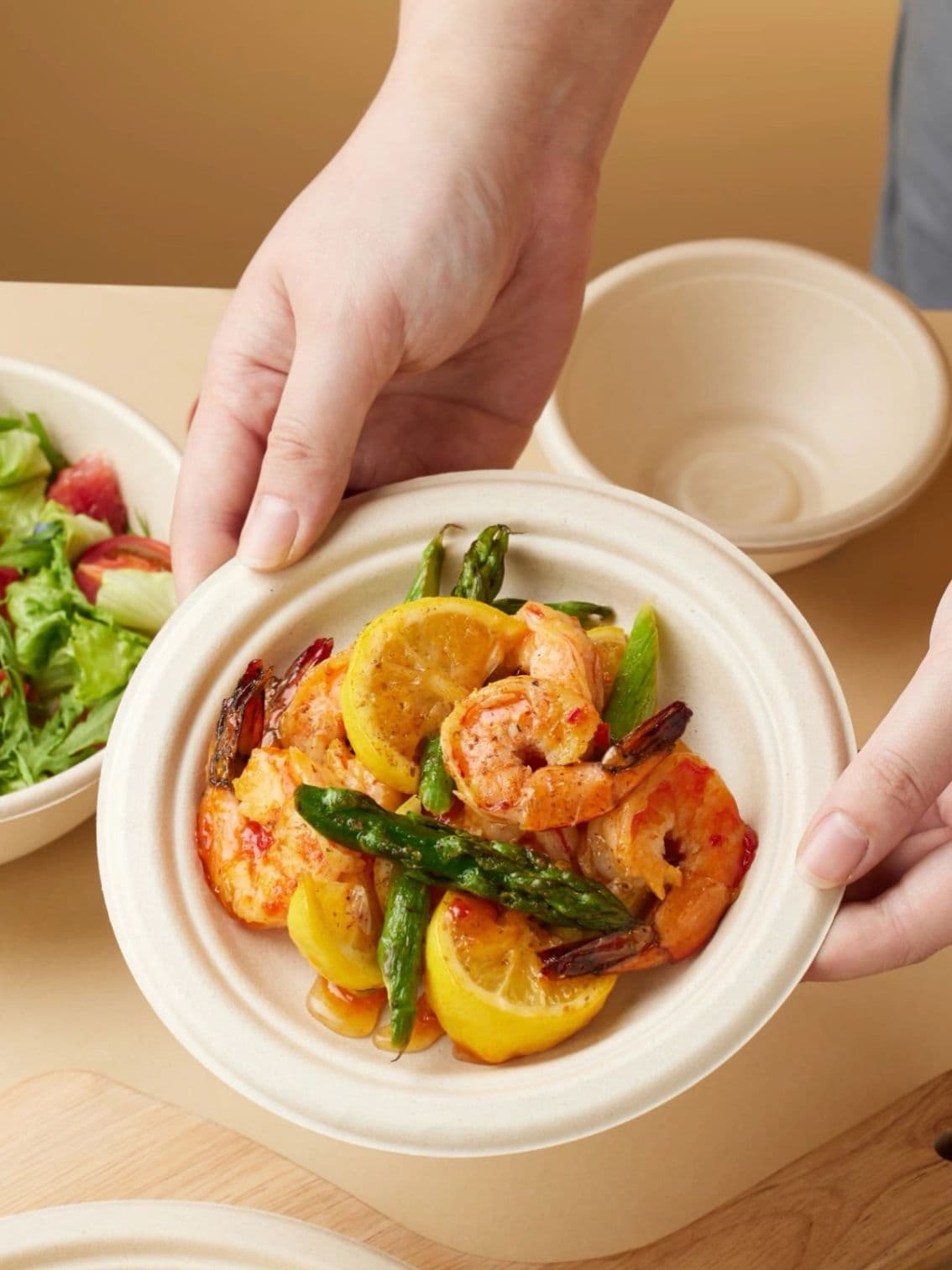
The innovation in bagasse engineering has reached a point where 'structural failure' is no longer an issue. Our DineX R&D team has developed fiber-alignment technology that solves the historical issues of 'sogginess' even with high-moisture or high-oil foods.
"True strategic value in 2026 lies in products that protect the planet weight-for-weight, without compromising the integrity of the culinary experience."
As we look toward 2027, the focus is shifting toward 'Smart Packaging'—integrating QR codes for circularity tracking directly onto the molded fiber. This allows brands to show their customers exactly where their plate came from and which composting facility it will return to.
5. Conclusion: The Competitive Moat
In the high-stakes world of global food service, competitive advantages are hard to maintain. However, a brand's sustainability roadmap is its most durable moat. By switching to DineX Ecopack bagasse solutions, you aren't just buying tableware; you are investing in a future-proof strategy that aligns regulatory compliance with consumer demand and financial performance.