Beyond Consumer Choice: The Industrial Transition
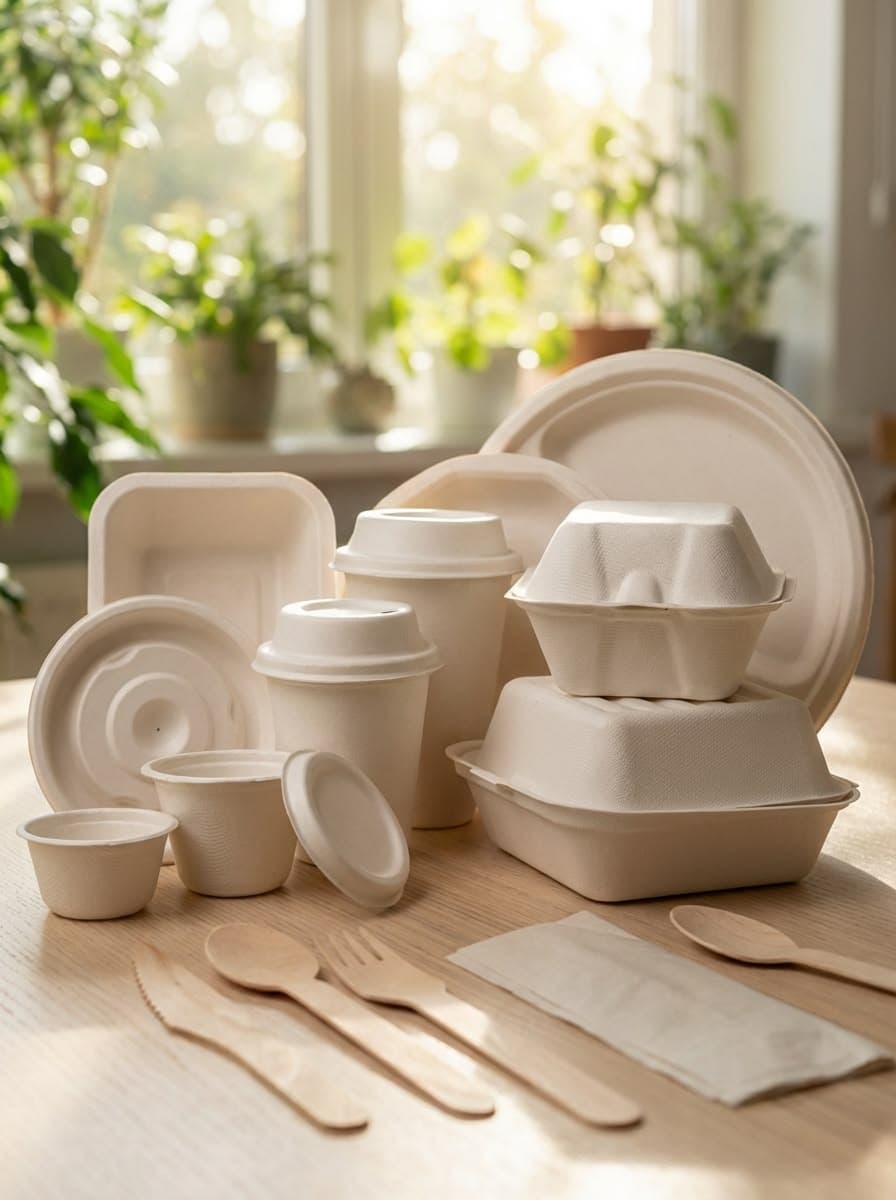
Every great environmental movement starts with a consumer's choice, but it is ultimately fulfilled by the manufacturer's ability to scale. In 2026, the global demand for bagasse tableware has exploded, outpacing the supply of low-quality alternatives. At DineX Ecopack, we believe that manufacturing is the most critical link in the zero-waste chain.
To replace a billion plastic plates, you need a billion bagasse plates that are identical in quality, price-competitive, and delivered on time. That is an industrial challenge of the highest order.
1. The Precision Molding Phase
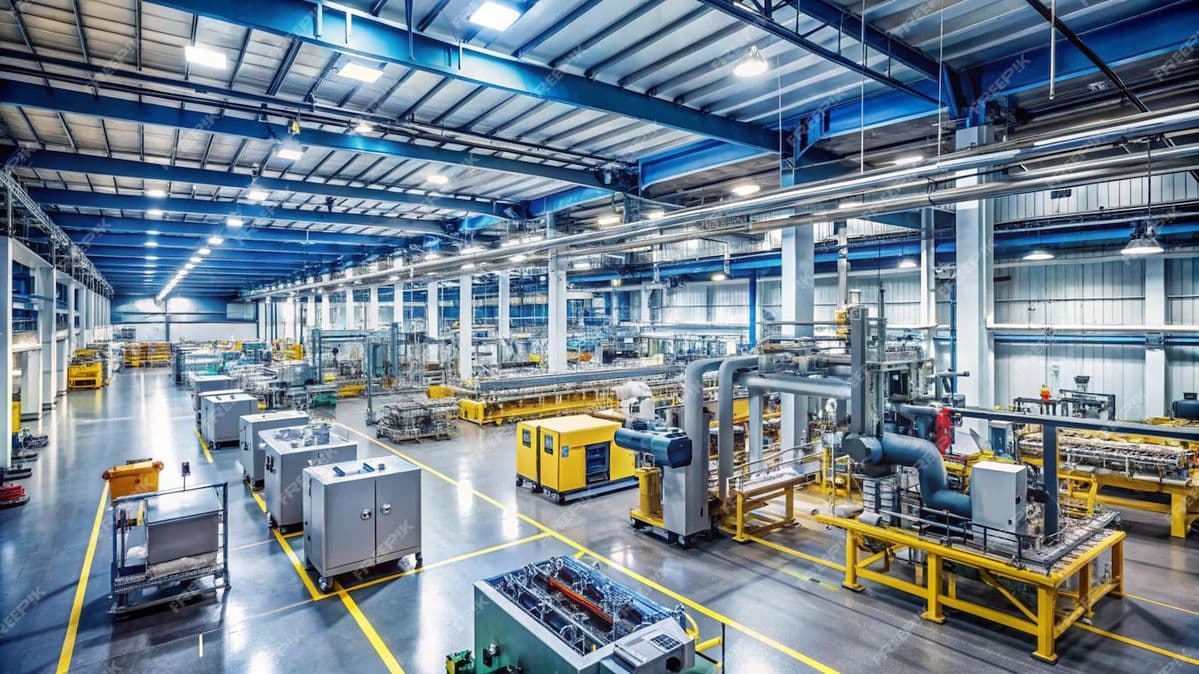
Unlike plastic injection molding, which uses molten polymers, bagasse manufacturing is a 'Wet-Molding' process. It involves a slurry of refined sugarcane fibers that must be vacuum-pressed into high-tolerance steel dies.
Phase 1: Pulse Refining
The raw bagasse fiber is washed and refined to a specific 'freeness' level. This ensures that the final product has no smell and a smooth, food-safe finish.
Phase 2: Thermodynamic Molding
Using a proprietary heat-cycling system, the fibers are fused together. Our machines calibrate temperature 1,000 times per minute to prevent brittleness.

2. Scaling for Global Logistics
One of the primary barriers to sustainability adoption has been lead times. In 2025, DineX shifted to an 'Automated Supply Chain' model. By integrating AI-driven demand forecasting with our manufacturing lines, we've reduced our 'Order to Dock' time by 35% compared to other bagasse manufacturers in the region.
3. Quality Control: The '0.1% Reject' Target
In high-volume QSR environments, a single defective plate can cause a spill that halts operations. Our QC labs test every batch for:
- Bursting Strength: Ensuring the plate doesn't collapse under heavy gravity loads.
- Liquid Barrier Integrity: Testing for 24-hour seepage resistance with high-fat oils at 100°C.
- Safety Certification: Regular lab checks for zero-PFAS and zero-microplastic content.
"Manufacturing is where the dream of sustainability meets the reality of the global supply chain. If we can't make it at scale, it doesn't count."
4. ESG Integration in Operations
We believe a manufacturer shouldn't pollute while making 'clean' products. Our facility in the UAE utilizes a closed-loop water filtration system, recycling 92% of the water used in the pulping process. Additionally, our 'Heat Recovery' systems capture the steam from molding to pre-dry the raw fibers, reducing our total energy footprint per plate by 18%.
5. The Future: Multi-Color and Custom Shapes
By 2027, the manufacturing technology will allow for 'Bespoke Bagasse'—creating custom-molded tray inserts for electronics and luxury cosmetics, not just food. DineX is leading this expansion, proving that bagasse is the universal replacement for all single-use packaging.