
The Regulatory Wave Has Arrived
In 2026, the global regulatory environment for single-use plastic has transitioned from 'encouragement' to 'enforcement'. For multinational food service brands, staying compliant is no longer just a legal task; it is a financial necessity to avoid catastrophic fines and market bans.
This survival guide breaks down the critical regulations in the three major economic blocks where DineX Ecopack operates: the UAE, India, and the European Union.
1. The UAE: Resolution 380 Enforcement
The UAE has become a world leader in plastic-free legislation. Following the succesful phase-out started in 2024, the UAE Ministerial Resolution No. 380 has reached its full enforcement stage in 2026.
| Region | Regulation Status (2026) | Mandatory Alternatives |
|---|---|---|
| UAE (Dubai/Abu Dhabi) | TOTAL BAN ON ALL SINGLE-USE PLASTICS | Certified Biodegradables (Bagasse/Paper) |
| India | EPR MANDATORY & 19-ITEM BAN | Natural Fiber-based solutions |
| European Union | PPWR FULL ENFORCEMENT | Circular, Recyclable, or Compostable |
2. India: Extended Producer Responsibility (EPR)
The Plastic Waste Management Rules (2022-2026) in India have shifted the cost of waste from the municipality to the brand owner. Brands are now financially responsible for the collection and processing of their packaging waste.
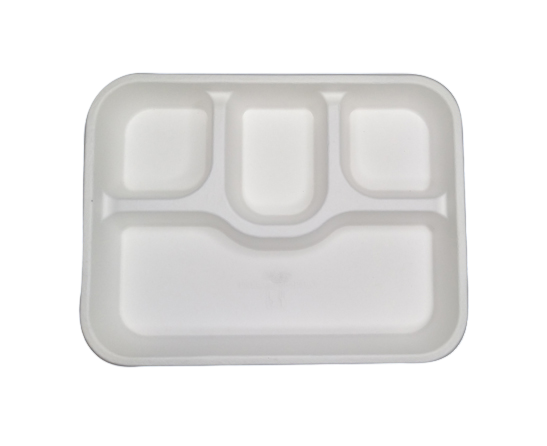
- The Bagasse Loophole: Certified compostable products like those from DineX Ecopack are typically exempt from the most expensive EPR taxes, saving high-volume brands millions of rupees in annual compliance fees.
- Banned Items: 19 specific items, including plastic cutlery, stirrers, and trays, are now under strictly enforced bans with 'spot-checks' becoming common in major metro areas.
3. The European Union: SUPD & PPWR
The EU's Single-Use Plastics Directive (SUPD) has been expanded by the Packaging and Packaging Waste Regulation (PPWR). By 2026, any packaging sold in the EU must be fully circular. 'Greenwashing' is now prosecuted under consumer protection laws, meaning brands must have third-party lab certifications for their 'compostable' claims.
"In 2026, compliance is the most profitable business strategy. The cost of a fine is always higher than the cost of a bagasse plate."
4. US State-Level EPRs (California & Oregon)
While the US lacks a federal ban, California's SB 54 is in full swing. It mandates a 25% reduction in plastic packaging by 2032, with the first major disclosure deadlines hitting in 2026. Global brands are choosing to standardize on DineX bagasse to maintain one global, compliant SKU rather than juggling different materials for different continents.
5. Conclusion: Future-Proof Your Logistics
Regulation is not going backward. Every quarter, more countries are joining the movement. By switching to DineX Ecopack now, you aren't just following the law; you are staying ahead of it, ensuring your brand never faces a sudden supply shutdown or a PR crisis due to plastic non-compliance.