The Logistics of Large-Scale Zero-Waste
Hosting a corporate event for 5,000 people or a music festival for 50,000 has traditionally meant creating a literal mountain of plastic and Styrofoam waste. But in 2026, the 'Zero-Waste Luxury' model is the new standard. Event planners and caterers are now judged as much for their waste management as for their food quality.
DineX Ecopack has consulted on major international summits and high-capacity sporting events to implement seamless, plastic-free logistics. This post outlines the operational 'Playbook' for eco-friendly catering excellence.
1. The 'Compost-Ready' Menu Strategy
True operational efficiency starts with the menu. By choosing items that don't require plastic-wrapped condiments or individual plastic sauces, caterers can eliminate 40% of their waste before the first guest arrives.
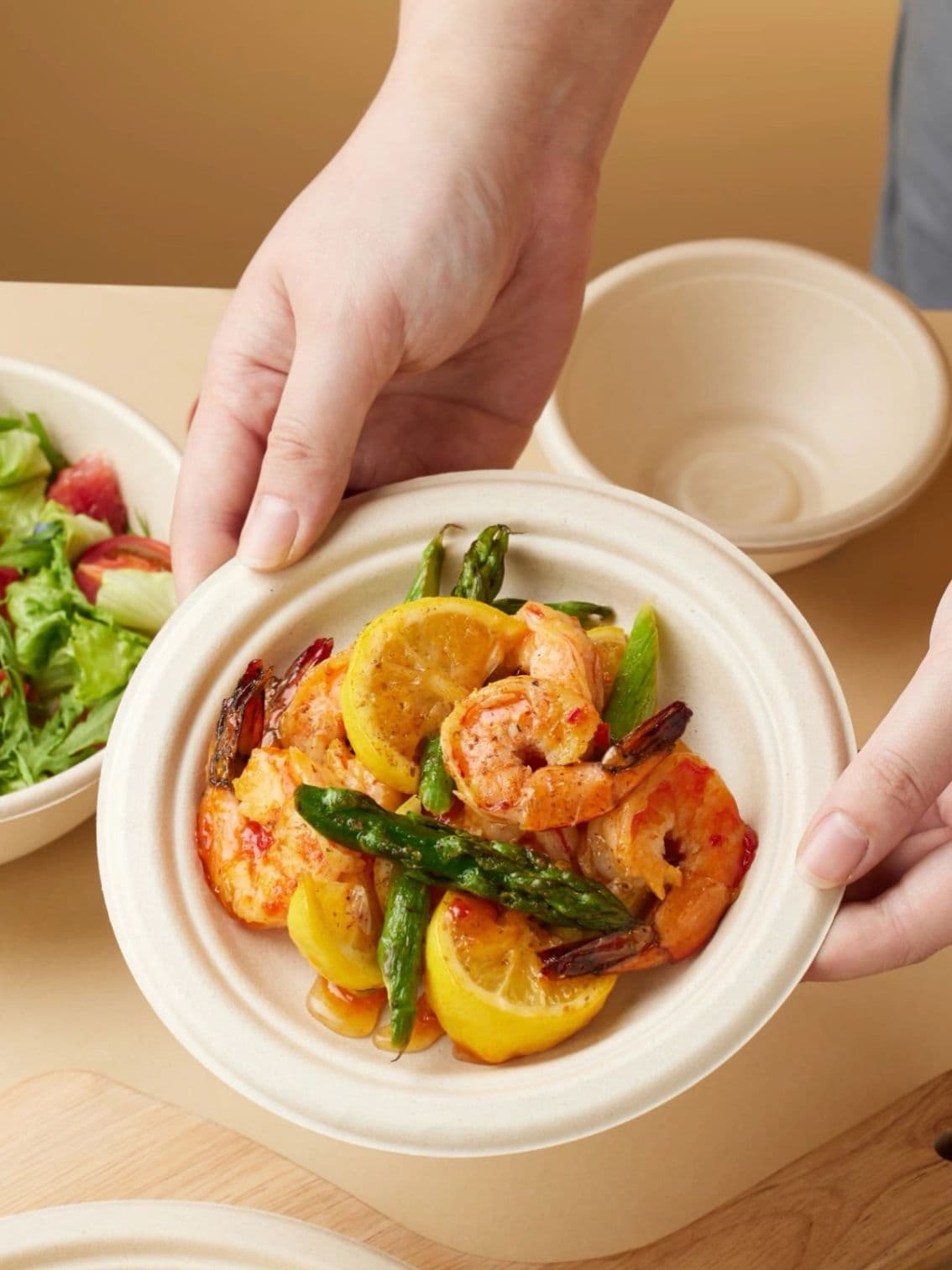
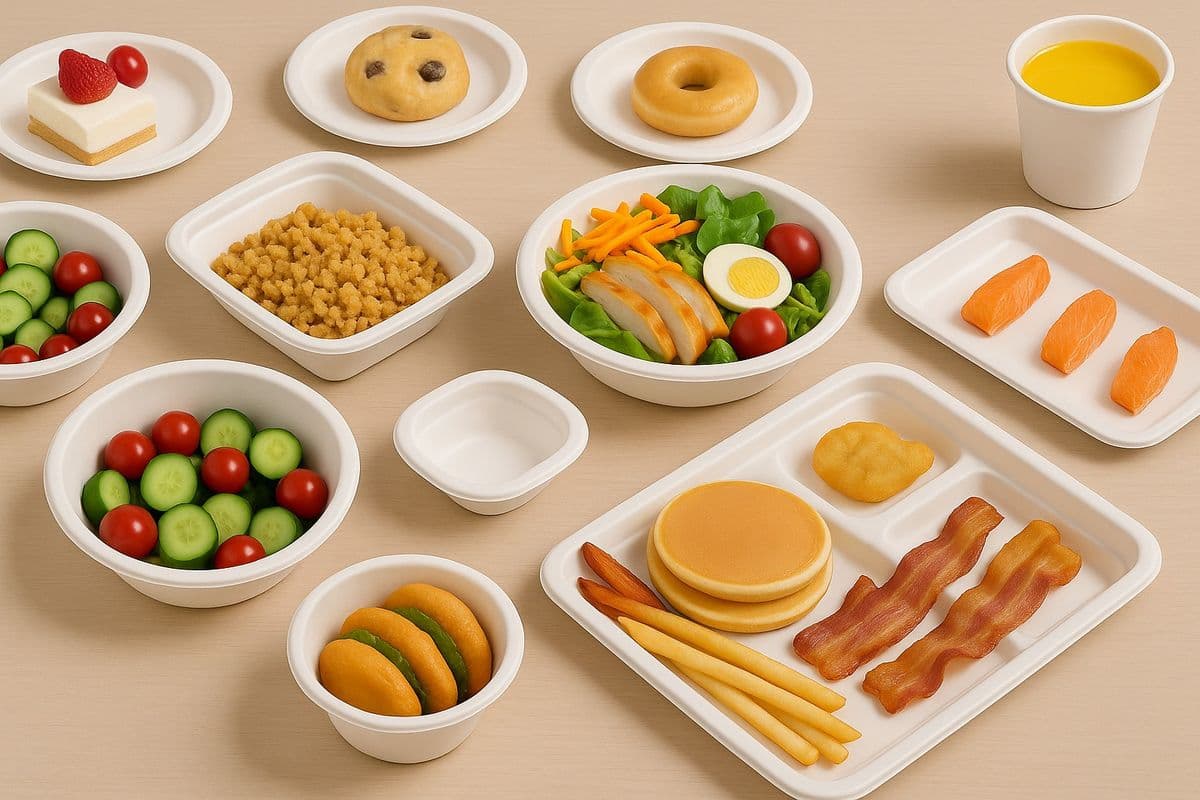
- Structural Strength: In buffet settings, guests often load their plates with 500g+ of food. Traditional paper plates fail. DineX high-density bagasse plates maintain their integrity, preventing spills and reducing 'double-plating' waste by 15%.
- Thermal Performance: Bagasse maintains food temperature 20% longer than plastic or paper, ensuring that the last guest on the line gets the same experience as the first.
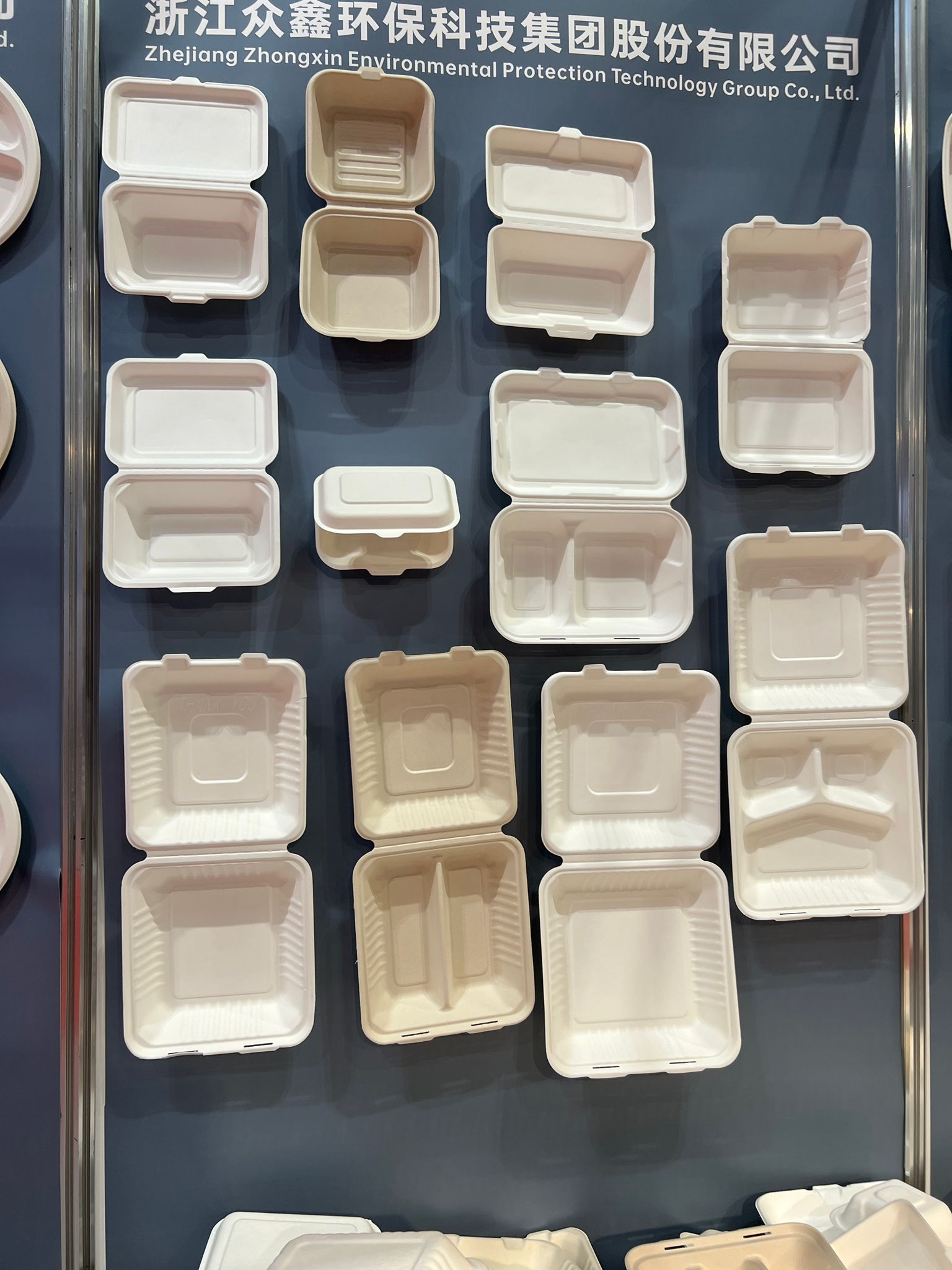
2. Operational Flow: On-Site Composting
One of the biggest breakthroughs for our large-scale partners has been the integration of on-site 'Rapid Dehydrators'. When a DineX plate is cleared from the table, it is already mixed with food scraps. This 'single-stream' clearing is much faster for waitstaff than sorting plastic and food.
3. The Brand Narrative Multiplier
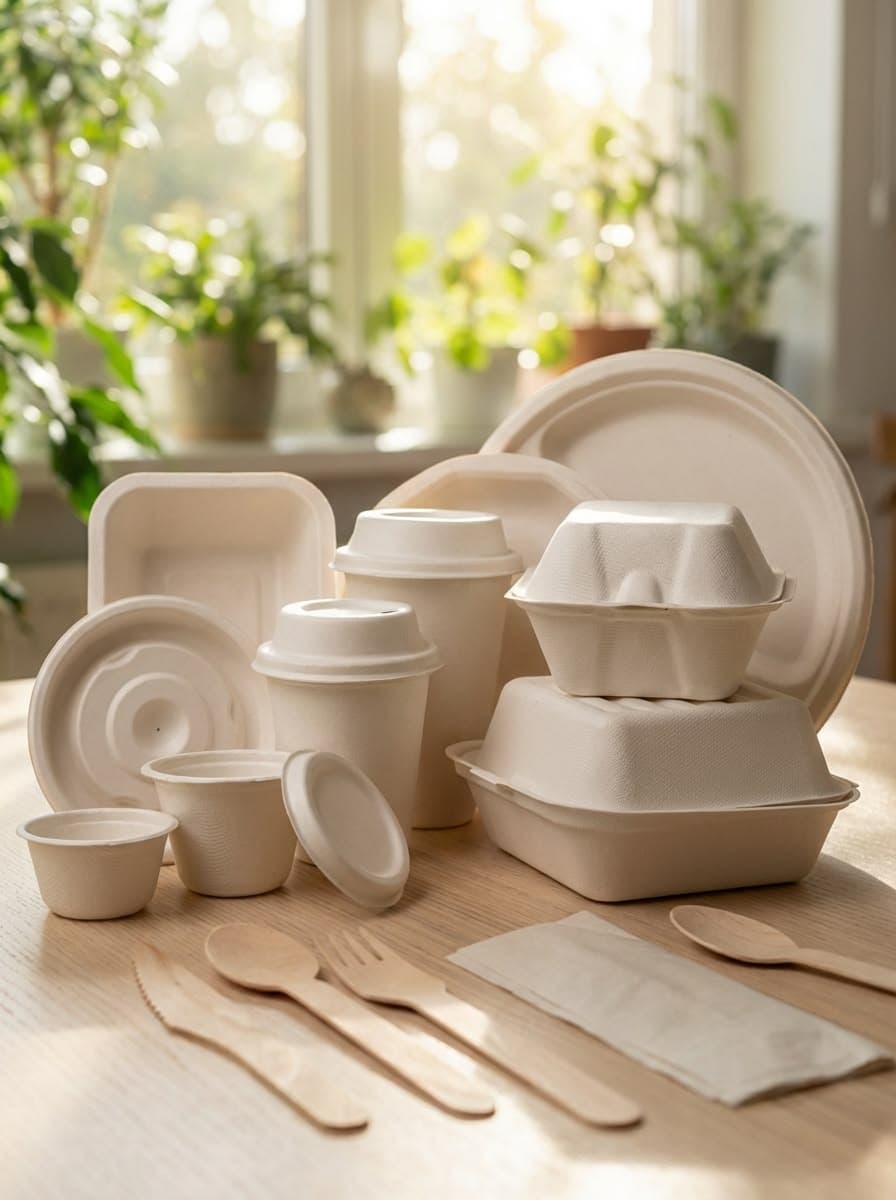
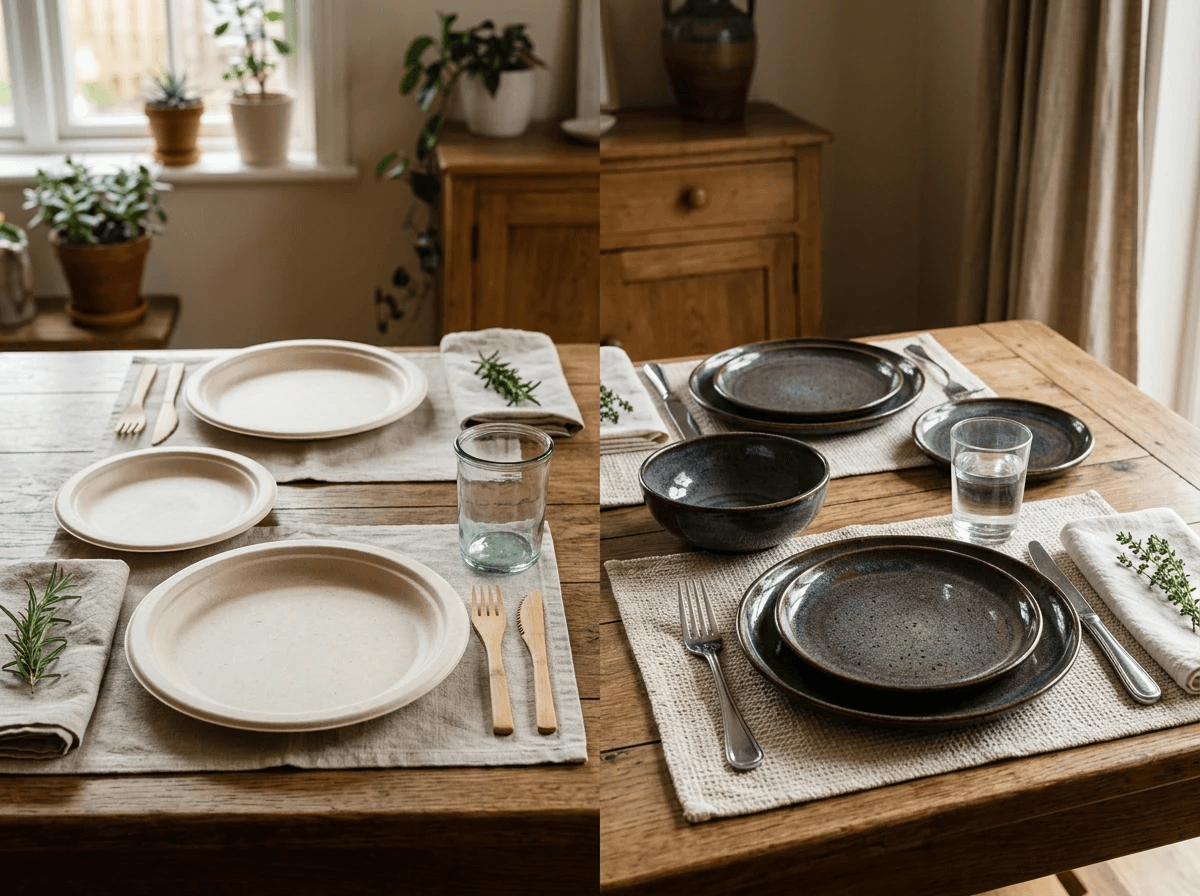
At premium events, the packaging is the primary touchpoint for the guest. Utilizing DineX's custom-embossed trays signals to the attendee that the host has curated every detail of the experience with responsibility in mind.
"Luxury in 2026 is no longer about excess; it's about a curated, zero-waste experience where every detail is intentional and responsible."
4. Cost Comparisons: The 'Hidden' Waste Fee
Most event planners forget to factor in 'Tipping Fees'—the cost of hauling waste to a landfill. In 2026, landfill fees have increased by 30% to discourage plastic disposal. Conversely, organic waste disposal (which includes bagasse and food scrap) is subsidized in many cities, meaning the slightly higher upfront cost of bagasse is completely offset by the 50% lower disposal costs.
5. Summary for Event Planners
Switching to a DineX-centered logistics model isn't just about 'saving the planet'; it's about saving time on the floor, money on the waste bins, and reputation in the headlines. Transition your events from 'Single-Use' to 'Single-Stream' and lead the hospitality industry into 2027.