The True Life Cycle of a Plate
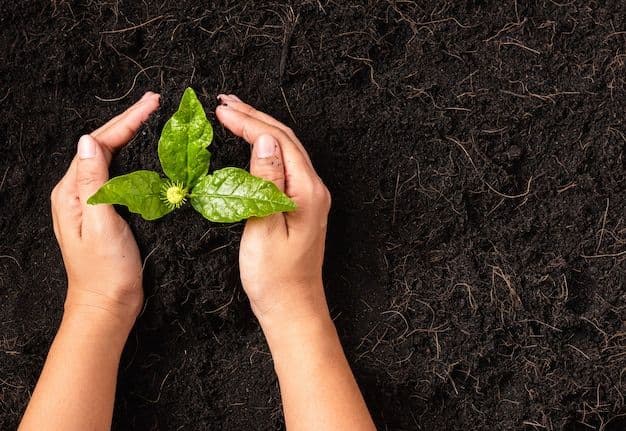
While recycling 'delays' the journey to the landfill, composting 'renews' the lifecycle of matter. In 2026, as topsoil erosion becomes a global crisis, the role of compostable packaging has shifted from 'waste reduction' to 'resource generation'. Sugarcane bagasse is one of the most efficient nutrient carriers in the circular economy.
This report explores the scientific link between the plate on your table and the health of the soil that grows next season's crop.
1. The Nitrogen-Carbon (C/N) Ratio Science
For high-quality compost, you need a balance of 'Greens' (Nitrogen-rich food scraps) and 'Browns' (Carbon-rich fibers). Bagasse is the 'Gold Standard' for the Carbon component. Its fibrous structure provides the necessary aeration in a compost pile, preventing anaerobic conditions that cause bad odors and methane release.

2. Preventing Microplastic Infiltration
One of the hidden dangers of the plastic era is 'Microplastic Seepage'. Even when plastic is theoretically recycled, millions of microscopic particles enter the global water and soil table. DineX bagasse is biological matter; it contains zero polymers. When it breaks down, it returns exclusively to CO2, water, and cellulostic nutrients, ensuring our food chain remains pure.
3. The Decomposition Timeline (Day 1 - Day 90)
Speed is critical for municipal composting facilities. Our engineering team has optimized the fiber thickness of our 2026 product line to balance strength with 'digestibility' for microbes.
- Day 1-14: Initial breakdown of the moisture-resistant lignin bonds.
- Day 15-45: Rapid fungal and bacterial digestion of the cellulose.
- Day 60-90: Total transformation into odorless, nutrient-rich 'Black Gold' fertilizer.
"In a truly circular economy, every product is just a temporary state of matter that is destined to become the foundation for the next generation of life."
4. Supporting Local Agriculture
By using bagasse tableware, brands are supporting a decentralised nutrient loop. A restaurant in Dubai can send its used DineX plates to an organic farm in Sharjah, where it becomes soil for the same vegetables that restaurant will buy next month. This is the definition of a local 'Closed Loop' that reduces a city's total importing reliance.
5. Conclusion: Beyond the Bin
The next time you dispose of a DineX plate in a compost bin, you aren't just 'throwing it away'. You are participating in a global movement of soil regeneration. You are fueling the earth that fuels us. At DineX Ecopack, we are proud to be the bridge that returns the sugarcane back to the soil.